

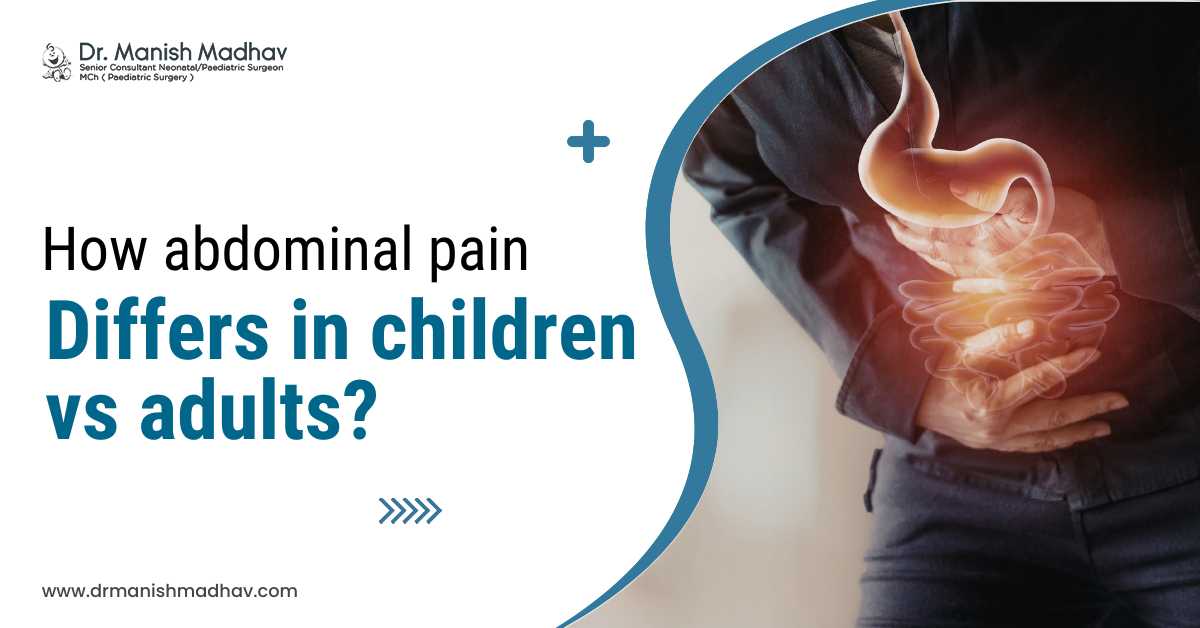
Abdominal pain, whether in kids or adults, is very common. Although it could appear to be a common complaint, children's presentations of stomach discomfort vary greatly from those of adults.
Based on age, there might be considerable differences in the origins, symptoms, communication difficulties, and even the need for treatment. A kid may have a mild stomach problem that could indicate something more serious, and vice versa.
You might seek guidance from the most reputed child surgeon in Siliguri if stomach pain in your kid is ongoing or intense. If your pediatrician refers your kid to a child surgeon, don’t delay consulting the doctor.
Understanding Abdominal Pain Across Age Groups
Simply put, any discomfort or pain felt between the chest and pelvis is referred to as abdominal pain. Now, this pain might be mild, severe, chronic, or acute (sudden).
Even though toddlers and adults have essentially the same abdominal architecture, there are some changes in how pain is felt and described depending on factors like immunological response, communication skills, and physiological development.
Kids’ symptoms might be ambiguous or deceptive, and their bodies respond to sickness differently. Contrarily, adults generally show more distinct symptom patterns because stress or other lifestyle choices may cause them to miss warning signs.
Here are Some Common Causes of Abdominal Pain in Children
1. Pain in the Abdomen That Is Functional
One of the most common reasons for school-age children is this. In contrast to infection or inflammation, such pain is associated with stress, anxiety, or gastrointestinal sensitivity. Even though their test findings may be normal, these kids still frequently feel uncomfortable.
2. Constipation
No doubt, due to their eating habits, dehydration, and reluctance to use the restroom at school, children are especially vulnerable to constipation. Generalized stomach pain, bloating, and cramping are all symptoms of constipation.
3. Intestinal infections
Infections of the stomach and intestines caused by bacteria or viruses are very common in youngsters. Frequent symptoms include fever, diarrhea, vomiting, and stomach pain.
4. Appendicitis
While appendicitis can also affect adults, diagnosing it in youngsters might be more challenging, but not surprising. Younger children might not be able to describe this properly, but pain may begin near the belly button and then spread to the lower right abdomen.
5. Allergies and Food Intolerances
Children who have food allergies, lactose intolerance, or gluten sensitivity may have frequent abdominal pain. You may notice this pain in your kid is frequently followed by bloating or diarrhea.
Here are Some Common Causes of Abdominal Pain in Adults
Well, there are many more causes of stomach discomfort in adults, and many of them are related to age-related disorders, chronic diseases, or lifestyle choices.
1. Acid Reflux and Indigestion
Adults who smoke, drink alcohol, smoke, or eat poorly may experience upper abdomen pain and burning feelings.
2. Gallstones
Adults, especially women over 40, are more likely to have gallbladder illness. The upper right abdomen is usually the site of pain, which can spread to the shoulder or back.
3. IBS, or irritable bowel syndrome
Adults are usually more likely than children to have IBS, which results in changes in bowel habits and persistent stomach pain.
4. Peptic Ulcer Disease
Gnawing or scorching pain can be caused by stomach or duodenal ulcers, which are more often associated with Helicobacter pylori infections or chronic pain medication use.
5. Causes of Gynaecology
Menstruation, ovarian cysts, endometriosis, or pelvic inflammatory disease are among the causes of abdominal pain in adult women (not present in infants).
.png)
Variations in Symptoms
Description of Pain. Adults are typically able to identify the site of their pain and appropriately describe it as dull, searing, cramping, or acute. Kids often lack the awareness or vocabulary necessary to do so.
Kids can merely state that their tummy hurts, or they might weep, become agitated, or behave differently to convey their suffering.
Location of Pain. Your kid may have poorly localized pain, which makes them feel uncomfortable everywhere. More localized pain is usually reported by adults, which aids in diagnosis.
Associated Symptoms. Systemic symptoms, including fever, low energy, vomiting, or unwillingness to eat, are more common in children. Without noticeable behavioral changes, adults may experience heartburn, bloating, nausea, or bowel disturbances.
Consulting a child surgeon in Siliguri or near you is important if the pain in your kid is severe and ongoing.
Children's Communication Issues
Communication is a major area where children and adults with stomach discomfort diverge. Young kids might not be able to identify pain until it gets really bad. Generally, kids could subtly convey their dissatisfaction by:
- Weeping or throwing fits
- Not eating
- Sleep disturbance
- Clinging actions
Adults, on the other hand, could delay seeking medical assistance for problems that need it because they have hectic schedules or believe that discomfort is a result of stress.
Diagnostic Approach: Children vs Adults
Health History. Doctors often consider family observations of behavioral, gastrointestinal, or hunger changes in kids. Self-reported history is typically more accurate and thorough in adults.
Physical Assessment. Lack of cooperation is common in kids’ health assessments. In general, adults are simpler to examine, enabling more accurate results.
Tests for diagnosis. To reduce radiation exposure, doctors are more cautious when doing invasive testing and imaging on children. Adults are more likely to have CT scans, endoscopies, or comprehensive blood testing performed.
When Abdominal Pain Is More Concerning
Warning Signs in Kids
Children's abdominal pain has to be evaluated by a doctor right away if it is linked to:
- Constant vomiting
- Blood in the vomit or stool
- Elevated fever
- Excruciating or getting worse pain
- Loss of weight or inadequate growth
Emotional and Psychological Factors
Abdominal pain in children is often associated with emotional stress, such as family upheaval or school worry. Even in cases where no medical illness is discovered, this stress is genuine.
Even though stress-related stomach pain can also occur in adults, it is more often linked to long-term illnesses like gastritis or IBS. The fact is, children might not even notice the link between stress and discomfort, but adults might.
Final Words
The causes, manifestations, communication, and treatments of abdominal discomfort vary between children and adults. Adults frequently deal with chronic, metabolic, or digestive disorders, whereas our kids frequently suffer from functional or infection-related pain and find it difficult to express their feelings. Speak with your pediatrician near you or a pediatric surgeon in Siliguri, like Dr. Manish Madhav, for optimal recovery and good health.