


Colds, postnasal drip, allergies, asthma, or inflamed airways are common reasons for your child coughing at night. A doctor may be required to evaluate a chronic or severe cough, but most instances resolve with basic at-home care.
It can be concerning if your child is coughing at night, especially if your kid appears well during the day. Lying down can allow mucus to drain down the throat, and exposure to allergens, dry air, or other irritants at night can cause coughing, which usually gets worse after bed.
This usually doesn't indicate that a kid has a serious illness. On the other hand, it is crucial to determine the underlying cause if coughing occurs frequently, lasts for several weeks, interferes with your kid’s sleep, or is accompanied by wheezing or breathing difficulties.
Why Does My Child Cough More at Night?
The fact is, nighttime coughing is a natural defense mechanism that helps clear the airways of mucus and irritants. Children may experience postnasal drip and coughing at this time when they lie down because mucus from a cold or nasal congestion may drain toward the back of the throat.
The airways can also become more sensitive at night due to dust, pet dander, smoke, odours, dry indoor air, and other airborne irritants. Kids with asthma may experience more severe symptoms at night or following exposure to certain triggers. Make sure you see a pediatrician if your child constantly coughing at night.
Common Reasons for Children's Nighttime Cough – What Parents Should Know
1. Viral infections and the common cold. One very common cause of coughing in youngsters is a cold. Coughing, mucus, sore throats, and runny or plugged noses can be symptoms of viral infections, and even if other cold symptoms start to get better, the cough could still be there.
A characteristic barking cough, which may be especially audible at night, might result from some viral infections, such as croup. Most simple viral coughs get better when the illness goes away and don't need antibiotics.
2. Nasal congestion and postnasal drip. Did you know mucus can go down the back of your child's throat when they have a runny or congested nose? This can trigger the cough reflex and is referred to as postnasal drip.
When an infant goes down to sleep, the effect can become more apparent. Nighttime coughing can improve with saline nasal drops or sprays.
3. Allergies. Another typical cause of your kid's coughing at night is allergies. Their nose and airways might be irritated by dust mites, pollen, mould, and pet allergens. Sneezing, a runny or stuffy nose, itchy eyes, or irritation of the throat are among symptoms that kids with environmental allergies may encounter.
An allergy may be causing symptoms if coughing keeps happening after being in a specific setting, such as a dusty bedroom or a house with dogs. Limiting exposure to recognized allergens, avoiding smoke, minimizing dust buildup, and maintaining clean bedding can be of great help.
4. Asthma. Asthma in kids may occasionally be linked to a chronic cough that gets worse at night. Children who have asthma may experience symptoms like breathing difficulties, chest tightness, wheezing, or coughing. Also, some kids might just cough instead of clearly wheezing.
Viral infections, pollen, dust mites, pet allergens, exercise, cold air, tobacco smoking, pollution, and strong scents are common causes of asthma. See a pediatrician near you if your child's nocturnal cough continues coming back, especially if it is also brought on by exercise, running, cold air, or respiratory conditions.
5. Acid reflux. Children with gastroesophageal reflux (GER) or gastroesophageal reflux disease (GERD) may experience stomach symptoms, including coughing or irritation of the throat. Regurgitation, vomiting, heartburn, or discomfort after eating are some other symptoms.
A pediatrician can decide whether more testing is necessary if coughing often happens before bed or after meals and is accompanied by reflux symptoms.
6. Airway irritants. Strong fragrances, smoke, air pollution, cleaning products, and other odours can aggravate coughing by irritating sensitive airways. Asthma symptoms can be made worse by tobacco smoking, which is especially detrimental to children's respiratory or lung health.
You can reduce the effects of potential triggers by keeping your child's bedroom smoke-free and reducing chemical odours and strong fragrances.
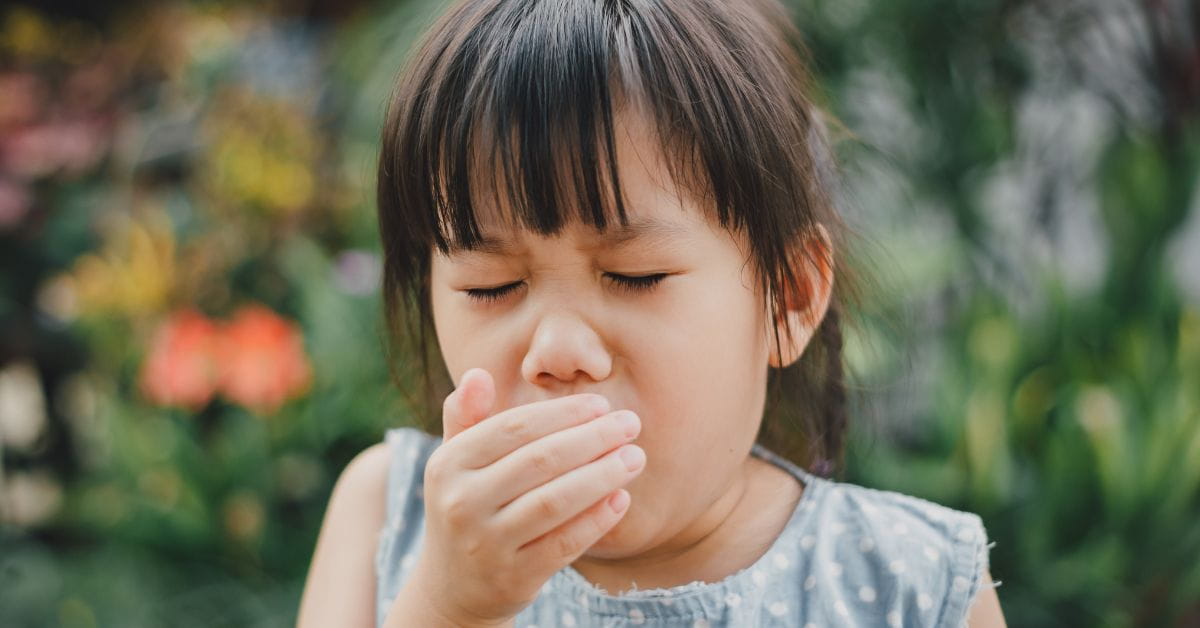
What Are the Symptoms to Watch For?
The kind of cough and any accompanying symptoms can give helpful hints that parents should not overlook.
- Dry cough: Allergies, asthma, airway irritation, or persistent inflammation following a viral infection can all cause a dry cough.
- Mucus-producing or wet cough: Often associated with respiratory illnesses.
- Barking cough: Croup may be linked to a barking cough.
- Wheezing:Asthma and certain respiratory diseases can cause coughing and wheezing.
- Fever and cough: Depending on the child's general health, this could be a sign of an illness.
- Breathing difficulties: Needs immediate medical intervention.
A medical checkup is necessary if your child's cough keeps waking them up, lasts for several weeks, etc.
How to Treat a Child's Nighttime Cough
The underlying reason for nighttime coughing determines what kind of treatment your kid needs. Instead of just suppressing the cough, a physician may suggest specialized treatment for reflux, allergies, asthma, or infections based on diagnosis.
Parents may want to think about the following comfort methods for a minor cough brought on by a cold:
Make Sure Your Kids Are Hydrated
Look after their fluid intake; warm beverages might help keep them hydrated and relieve sore throats.
Try Honey for Kids Over a Year Old
Honey may help ease cough symptoms in kids one year of age and up (consult your pediatrician). Be sure babies under a year old should never be given honey due to the risk of infant botulism.
Use Saline Nasal Sprays or Drops
When postnasal drip is causing the cough, saline can help clear congestion and release nasal mucus (talk to your pediatrician).
Think about a Cool-Mist Humidifier
Dry air can be made more comfortable, and congestion can be reduced with a clean cool-mist humidifier. Since hot steam can burn youngsters, the FDA advises cool-mist humidifiers.
Minimize Disturbances in the Bedroom
Cigarette smoke, potent scents, excessive dust, and other known triggers should not be present in your kid’s sleeping area. Another way to lessen exposure to allergens like dust mites is to wash bedding regularly.
When Should You Consult a Pediatrician?
If your child coughing at night a lot, call a pediatrician:
- Exceeds three weeks in duration
- Repeatedly interferes with sleep or keeps coming back
- Wheezing a lot
- Occurs when a fever is high or prolonged.
- Is connected to chest discomfort
- Is becoming worse rather than better.
- Disrupts regular behaviors such as eating, drinking, or sleeping
Final Words
A commonly asked question is “why my child cough at night only”. If you have the same question about why your kid’s cough become vulnerable at night, the reason can be anything from a simple cold or postnasal drip to allergies, asthma, reflux, or exposure to airway irritants can be the root cause.
With time and supportive pediatric care, most viral infection-related temporary coughs improve.But a persistent cough at night is nothing to skip, especially if it tends to interfere with your kid’s sleep and causes wheezing or breathing issues.
Reach out to one of the trusted paediatricians near you and get a proper clinical diagnosis, such as Dr. Manish Madhav.
FAQs
1. Why does my child only cough at night?
Coughing at night can have multiple reasons like allergies, asthma, reflux, and airway irritation. Lying down can also promote mucus outflow.
2. Does a cough at night indicate asthma in my child?
Without clinical diagnosis, it isn’t possible to ensure. A recurrent nightly cough should be evaluated for asthma, particularly if it is accompanied by wheezing or difficulty breathing.
3. Can I treat my child's cough with honey?
Children over 1 year old can benefit from honey, but babies younger than a year old should never be given honey.
4. Should I offer cough syrup to my child?
Do not give your young children regular over-the-counter cough and cold medications, and inquire about age-appropriate care with your pediatrician.
5. What is the maximum duration of a child's cough?
After a cold, a cough may last for a few weeks, but if it lasts more than three weeks, speak with a pediatrician.
6. When should I be concerned about my child's cough?
If your kid has extreme drowsiness, blue lips or skin, breathing difficulties, or other signs of respiratory distress, get help right away.
