


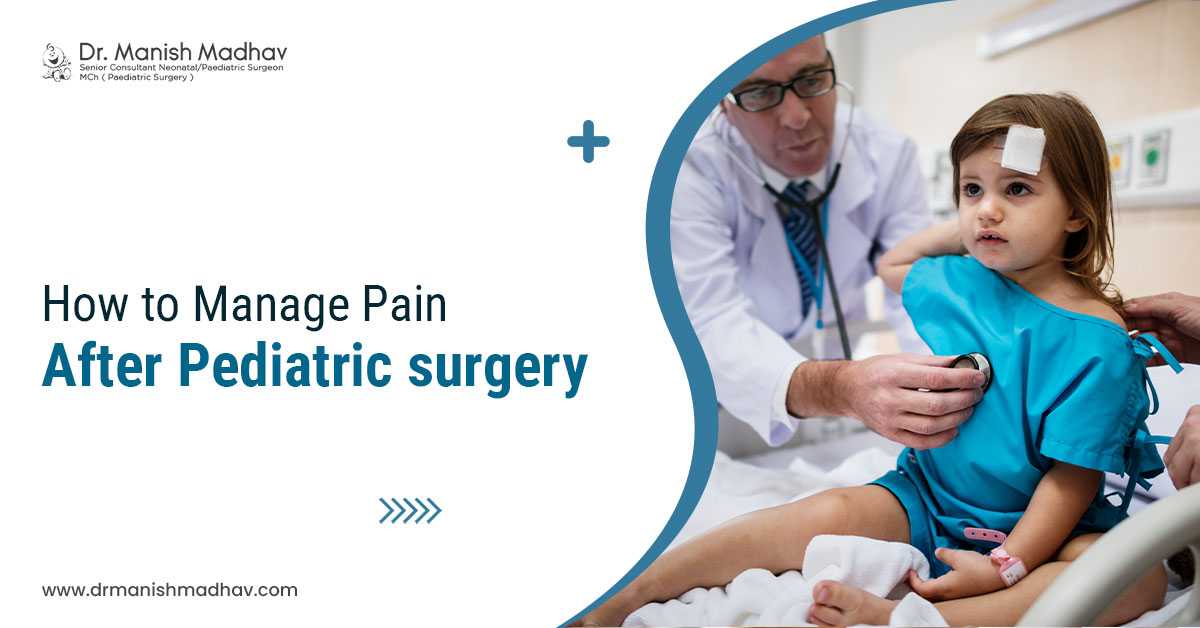

After pediatric surgery, follow-up care is of high importance, or equally vital as the procedure itself. These appointments enable medical professionals to keep an eye on your child's healing progress.
Also, these handle any issues early and ensure a safe and comfortable return to regular life. Get personalized care and advice from a trusted child surgeon in Siliguri City or a doctor near you.
Follow-up appointments can be confusing or distressing for a lot of parents. You might be wondering how frequently these visits are vital, what questions to ask, and what symptoms to look out for.
Well, this blog aims to provide parents and caregivers with clear, easy, and encouraging guidance on how to manage follow-up visits following pediatric surgery.
Know Why It's Important to Have Follow-Up Visits (After Pediatric Surgery)
First, follow-ups are essential to your child's healing process. Healing takes time, even after successful pediatric surgery, and children's bodies react during this phase.
These visits benefit medical professionals by:
-
Examining the surgery site's healing progress.
-
Early detection of consequences or infections
-
Modifying prescription drugs or pain relief regimens
-
Observing development and growth following surgery
-
Answering inquiries from parents and kids
Missed warning signs may have an impact on recovery if follow-up appointments are skipped or postponed. Routine checkups can ensure your child's safe and secure recovery after a surgical procedure.
When Do Follow-Up Visits Usually Take Place?
The fact is that the type of operation, your child's age, and their general health all influence when follow-up appointments should be scheduled. Nonetheless, there is a common pattern to the majority of pediatric surgeries:
-
First follow-up: Usually seven to fourteen days following pediatric surgery.
-
Extra visits: If necessary, planned weeks or months later.
-
Long-term monitoring: Necessary for complicated procedures or chronic conditions.
Before your child is discharged, the surgical team will provide you with a detailed plan. To prevent missing appointments, keep this information close to hand and create reminders.
How Do You Prepare for a Follow-Up Visit?
Follow-up pediatric doctor or clinic visits can go more smoothly and effectively if preparation is done in advance.
1. Keep an eye on your child's healing at home. Make a note of your child's progress prior to the visit:
-
Does the surgery site recover well?
-
Has the level of pain increased or decreased?
-
Have your mood, sleep patterns, or appetite changed?
-
Has your youngster resumed their regular activities?
Beyond what they observe in the clinic, these observations aid doctors in understanding recovery.
2. Pen down your queries and worries. During the appointment, it's simple to forget questions. Put them in writing beforehand, like:
-
Is my child recovering as expected?
-
When will regular activities be able to resume?
-
Are redness and swelling typical symptoms?
-
When should we give the doctor a call?
When it comes to your child's health, feel free to ask questions, and we can understand how overwhelming the experience can be, from preparing for the first appointments and procedures to follow-up care. Doctors and medical staff are there to support you and make you feel more at ease.
3. Bring Relevant Medical Information. You may need to bring:
-
Instructions for discharge
-
Lists of medications
-
Details of wound treatment
-
Any previously submitted reports or laboratory findings
This step prevents misunderstandings and promotes simple, easy communication.
Making Your Child Comfortable at Follow-Ups
Follow-up visits may cause children to feel anxious or afraid, especially if they believe that hospitals cause pain.
Advice for Lowering Anxiety:
-
Describe the visit in basic, comforting terms
-
Allow your youngster to bring a comfort item or favorite toy
-
Thank them for their cooperation and bravery
-
Avoid phrases that could incite dread
These activities or steps can help soothe your kid’s anxiety or fear.
Learn What Happens at a Follow-Up Visit for Pediatric Surgery
.png)
Both parents and kids can feel less anxious if they know what they can expect.
1. Physical Assessment
The physician will:
-
Analyze the surgical site
-
Look for indications of poor healing, edema, or infection
-
Evaluate the function or movement if bone or muscle surgery was performed
2. Examining the Symptoms
The doctor will check or review:
-
Levels of pain
-
A fever
-
Sleeping and eating patterns
-
Changes in the bladder or bowel
-
Sincere responses aid physicians in making wise choices
3. Medication Review
Your doctor may advise:
-
Cutting back on or stopping taking painkillers
-
If necessary, changing the dosage
-
Never switching medications or stopping them without consulting a doctor
4. Instructions for Activities and Care
You'll get advice on:
-
Taking a bath and tending to wounds
-
Exercising and returning to school
-
Limitations on sports or play
-
Timelines for follow-up
Some symptoms need to be addressed right away, although follow-ups are planned. Make sure you speak with your pediatric surgeon if you observe:
-
Fever that is higher than recommended
-
Increasing discomfort that is not alleviated by medicine
-
Pus, edema, redness, or warmth at the operative site
-
Continuous or frequent bleeding
-
Breathing problems, vomiting, or strange behavior
Calling straight away is a must if anything doesn't feel right.
When Long-Term Monitoring is Advised?
Long-term monitoring is necessary for certain pediatric procedures, particularly if they involve:
-
Joints or bones
-
Lungs or heart
-
The digestive system
-
Congenital disorders
Long-term monitoring ensures:
-
Appropriate development and growth
-
Normal function over time
-
Early detection of late complications
Even though they could be far out, these visits are crucial as your child develops. For expert guidance and care, you might reach out to the best child surgeon in Siliguri, Dr. Manish Madhav.
Routine follow-up care enables child surgeons to:
-
Identify issues early on before they worsen
-
Make recovery plans specific to your child's requirements
-
Encourage both mental and physical recovery
-
Give step-by-step guidance for families
After pediatric surgery, managing follow-up appointments can initially seem overwhelming or stressful. But with the correct strategy, they can be an effective tool for your child's recovery. These visits can guarantee that healing proceeds well, offer comfort, and give parents the direction they require. So, be sure you don’t miss them.
You play a vital role in your child's effective healing. Hence, you should plan ahead, ask questions, and remain aware of any changes. And, to clear your doubts, doctors are available. You might consult the leading pediatric surgeon in Siliguri or an expert near you for follow-ups after surgery.
Comments (0)