

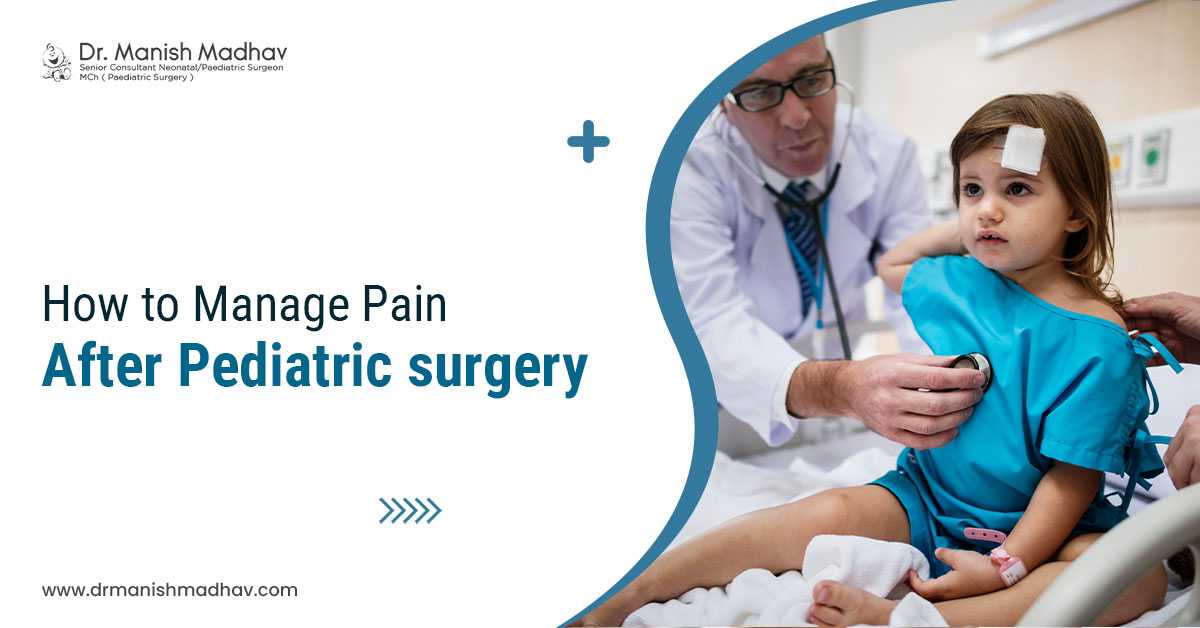
We can understand that looking after a child after surgery never seems easy. It can be difficult to care for your child when you assist them in managing their pain. Many parents worry that if their child is uncomfortable, they won't know what to do or that they may miss something crucial.
However, you may greatly facilitate your child's healing during this period with the correct information and a cool, collected approach. Get only expert advice from a reliable pediatric surgeon in Siliguri or near you.
Your pediatric surgeon will tell you everything you know about controlling pain following surgery. This handy guide makes use of simple language, provides helpful advice, and clarifies what is and isn't typical.
These tips can help promote healing, lessen stress, and expedite your child's recovery, regardless of whether your kid has undergone a simple treatment or a complicated one.
NOTE: Every surgery is unique, and this is a general guide. It’s very important to follow a medical professional’s advice (pediatric surgeon’s advice).
Overview of Pain Following Pediatric Surgery
.png)
Following pediatric surgery, pain is to be expected. But parents need to understand that it does not always indicate a problem. Mostly indicates that the body is recovering. Depending on their age, personality, and the type of surgery, children may respond differently.
Typical signs that your child is experiencing pain include:
- Weeping or becoming fussy
- Having trouble falling asleep
- Refusing to consume food
- Clinging
- Defending or shielding a bodily component
- Mood swings or irritability
You'll rely more on behaviors with younger children. Keep in mind that your kid might not always express that he or she is in pain. They might simply behave differently than normal.
Follow the Medication Plan Exactly as Directed
You will receive a pain management plan from your child's medical team. Depending on the procedure, this could involve prescription painkillers, ibuprofen, or acetaminophen.
Here’s the advice on administering medication safely and efficiently:
1. Follow the timetable. Give medication as soon as possible rather than waiting for the pain to worsen. When children's pain is managed before it gets worse, they heal more quickly.
2. Apply the appropriate dosage. Medication for kids is typically determined by their weight or age. Never guess; always take precise measurements with the given tool.
3. Recognize the different kinds of medicines. For fever and general pain, acetaminophen works well (give only if the doctor prescribes). Ibuprofen aids in reducing swelling and inflammation (given only if the doctor prescribes). For a brief time following major surgery, stronger prescription drugs can be required.
4. Unless your doctor advises, avoid combining medications. When used together improperly, certain medications may overlap or have negative side effects. You might consult the top pediatric surgeons in Siliguri or in your location for advice.
5. Record every dosage. If more than one caregiver is assisting, keeping a medicine journal might help avoid missing or taking two doses.
Use Non-Medication Comfort Techniques
There are other ways to lessen your kid’s discomfort than medication. Numerous simple, common techniques can help your child feel more at peace, reduce worry, and relieve discomfort.
- Warm or cold compresses. If your pediatric surgeon recommends it, cold packs can help reduce swelling and numb soreness. Warm compresses can alleviate cramping or relax muscles, and as certain procedures call for avoiding heat or cold, always refer to the surgical type's guidelines.
- Gentle positioning. Assist your child in adopting positions that avoid applying pressure to the surgery site. Especially following orthopedic, chest, or abdominal surgery, more pillows might facilitate resting.
Amuse and divert. For kids, distraction is a potent pain reliever, so try:
- Cartoons or films
- Coloring pages
- Reading aloud together
- Quiet toy playtime
- Telling stories or listening to music
The brain's experience of pain is diminished when one concentrates on something pleasurable.
Deep breathing and relaxation. Simple methods of relaxation are surprisingly effective:
- Ask your kid to breathe deeply and slowly.
- Use guided imagery exercises, such as "Let's imagine we're floating on a cloud."
- These methods assist in reducing anxiety, which can exacerbate discomfort.
- Encourage healthy sleep practices. A crucial aspect of healing after pediatric surgery is sleep; however, pain, medicine, or new routines may cause sleep disturbances following surgery.
Advice for better sleep:
- Create a peaceful, calming nighttime routine for your kid.
- Keep the space dim and comfy.
- To comfortably support the body, use pillows.
- If advised, provide painkillers before bed.
- Avoid using screens right before bed.
- Provide consoling objects like a nightlight or a teddy bear.
A kid who gets enough sleep feels better, recovers more quickly, and manages discomfort more readily.
- Promote hydration and a healthy diet. Your child's appetite may decline for a few days following surgery. This is typical, but staying hydrated is crucial after your child’s surgery.
How to help with nutrition when recuperating:
- Serve regular, modest meals instead of large ones.
- If it is difficult to chew or swallow, choose soft, simple foods.
- Serve lots of water, popsicles, electrolyte drinks, or diluted juice.
- Avoid items that could irritate your stomach, such as heavy, oily, or excessively sugary ones.
Maintaining energy, repairing tissues, and lowering fatigue, which can trigger pain or irritation. These are all made possible by a healthy diet.
- Follow activity restrictions carefully. When regular activities can resume, your child's surgeon will let you know. It is essential to adhere to these guidelines in order to avoid problems and further suffering.
General rules could consist of:
- Don't run, jump, or play rough.
- Don't lift anything heavy.
- Maintain a dry and clean incision site.
- Until cleared, stay away from swimming and contact sports.
While modest exercise, such as walking short distances, frequently helps alleviate stiffness and discomfort, excessive activity can exacerbate pain or slow healing. Always heed the advice of your pediatric surgeon.
Vital Tips for Incision Care
- Before handling dressings, wash your hands.
- Pay close attention to wound care guidelines.
- Keep an eye out for symptoms of infection, such as fever, redness, swelling, pus, and an unpleasant odor.
- Prevent your youngster from picking or itching the wound.
- As instructed, change the bandages.
Final Words
Though managing pain following pediatric surgery may seem overwhelming, experts are there to guide you well. You may greatly facilitate your child's recovery process by providing clear directions, a sensible medication schedule, and an emphasis on comfort and emotional support. Receive support from your doctor near you or the leading pediatric surgeon in Siliguri, Dr. Manish Madhav.
Comments (0)